

TOXICOLOGY
The Toxicology section undertakes extraction, purification, isolation and detection of analytes, analysis of various poisons and drugs which include volatile, non-volatile, synthetic & plant poisons, metallic poisons, pesticides, alkaloids, barbiturates, sedatives, acids and bases etc. from bio-matrices. The exhibits also include nail, hair, bones and body fluids like blood, urine, gastric lavage, vomitus etc. The analyses of these autopsied samples like viscera, tissues and other body fluids will help in –
- Detection of residual poison present in bio-matrices
- Detection of drunkenness of persons from blood and urine.
- Visceral matter/body fluids (for poison analysis - stomach, stomach contents, stomach wash, small intestine, liver, kidney etc.) should be collected and preserved scientifically by the medical officer. The quantity of visceral matter / body fluid for collection is as follows:- stomach: as a whole, stomach content: ~ 100 gm, small intestine: ~ 20-35 cm long, liver: ~ 100 gm, kidney: one-half of each kidney, body fluid: ~ 20 ml.
- In case of preservation of biological matter, saturated solution of Sodium Chloride (common salt) should be used as preservative. In cases of acid poisoning, rectified spirit should be the preservative for visceral matter.
- For suspected case of alcohol poisoning, blood (5-10 ml) should be preserved using Fluoride/Liquid Paraffin. Urine sample (5-10 ml) can be directly sent for alcoholic analysis.
- In case of carbon monoxide poisoning, 10-20 ml blood should be collected using liquid Paraffin as preservative and should be kept in an air tight container.
- For gaseous poisoning (Coal gas, Carbon monoxide, Hydrogen cyanide, Ammonia, Hydrogen sulphide etc.) in general, blood samples and lung tissues should be collected and preserved.
- In case of suspected poisoning by heavy metals (Lead, Mercury, Cadmium etc.) and some metalloids (Arsenic, Antimony etc.), the samples of scalp/body hair, nail cutting/scraping, long bones (Femur) should be preserved and forwarded.
- Cases having history of drug poisoning (alkaloids, barbiturates, sedatives etc.) in viscera and other body fluids should be preserved and forwarded.
Important Documents which should be submitted along with Viscera Box:
A duly filled-in W.B. Form No. 5203, a copy of the Surathal report, F.I.R. if
available, brief facts of the case, a legible copy of P.M. report and Exhibit Challan
must be submitted by the Investigating Officer/or any authorized person.
NOTE: all concerned forms may be downloaded from “FORM” tab in the official
website of FSL, W.B. (www.wbfsl.gov.in).
| Sl | Name | Designation | Qualification | Photo |
|---|---|---|---|---|
| 1. | Dr. Babul Bandyopadhyay | Assistant Director, Chemistry Division | M.Sc. (Chemistry), PhD (Science), PG Diploma in Human Rights, PG Diploma in Counselling , PG Diploma in Social Work |  |
| 2. | Dr. Palash Baran Maity | Assistant Director, Toxicology Section | M.Sc. (Chemistry), PhD (Science) | 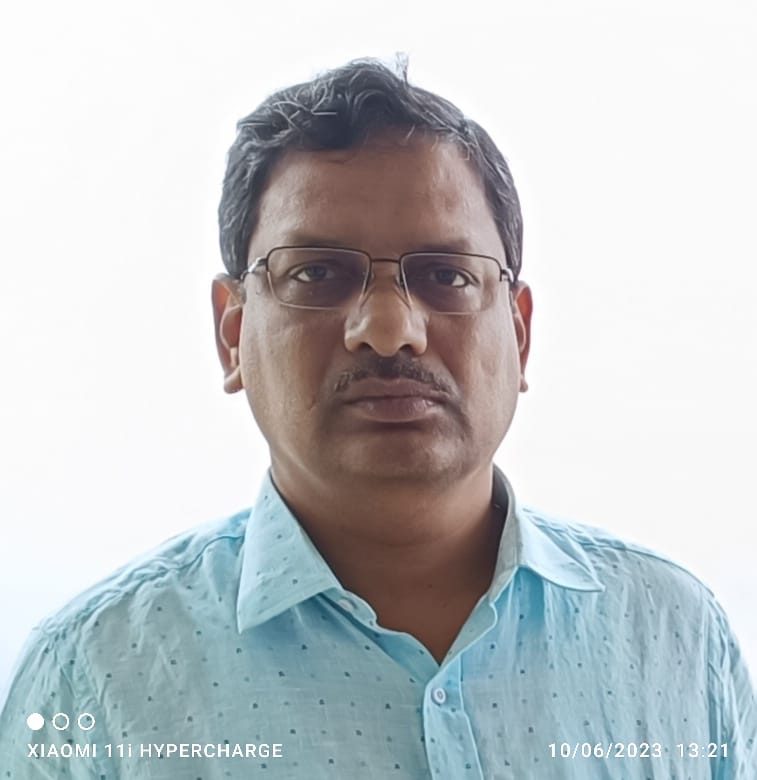 |
| 3. | Dr. Bhaskar Chowdhury | Senior Scientific Officer, Toxicology Section | M.Sc. (Chemistry), PhD (Science) | |
| 4. | Ms. Madhumita Barua | Scientific Officer, Toxicology Section | M.Sc. (Environmental Science) | 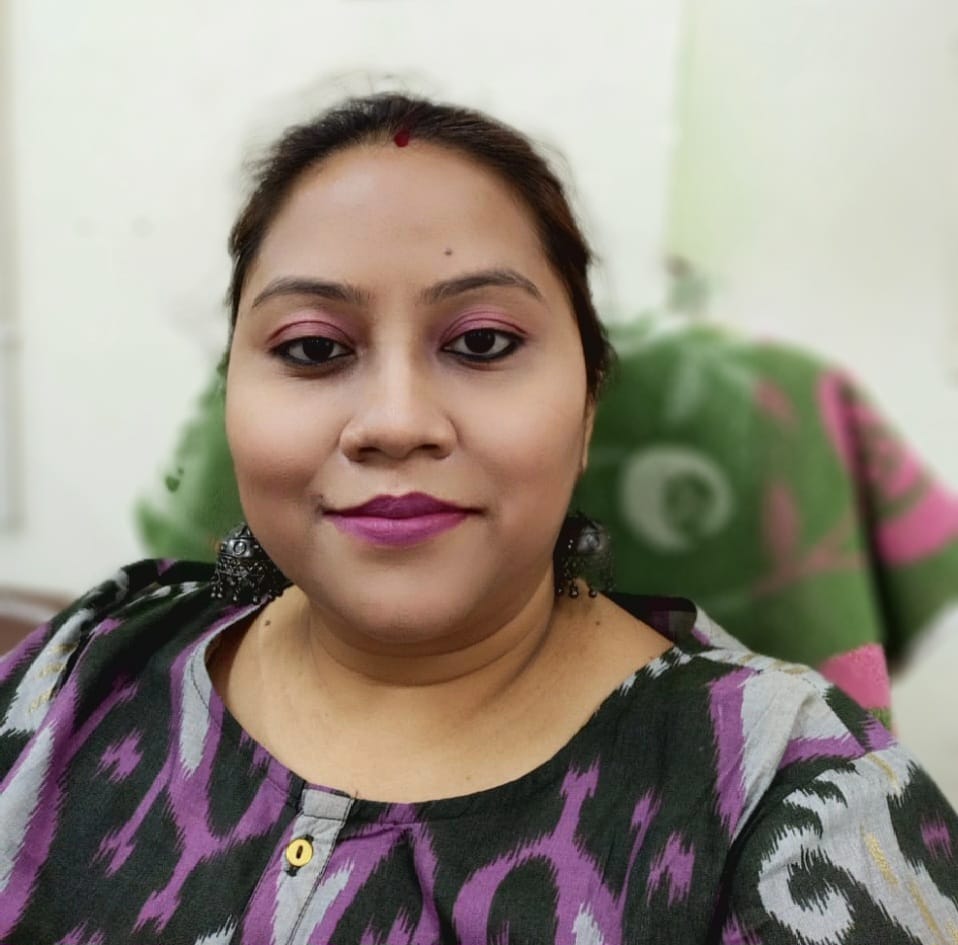 |
| 5. | Dr. Sourav Ghosh | Scientific Officer, Toxicology Section | M.Sc. (Chemistry), PhD (Science) |  |
| 6. | Dr. Soumen Saha | Scientific Officer, Toxicology Section | M.Sc. (Chemistry), PhD (Science) |  |
| 7. | Ms. Amiya Saha | Scientific Officer, Toxicology Section | B.Sc. |  |